Most visitors to Athens follow the same well-worn path — the Acropolis, Monastiraki flea market, a souvlaki in Plaka, repeat. And look, that path exists for good reason. But Athens is a city of 40 neighborhoods, each with its own personality, its own rhythms, its own stories told through graffiti murals and neighborhood bakeries and old men playing backgammon outside kafeneions. If you want to understand the city the way Athenians actually live it, you need to wander a little further. These four Athens hidden neighborhoods are where that real city lives.
Why Athens Rewards the Curious Traveler
Athens has been continuously inhabited for over 3,000 years. That kind of history doesn’t compress neatly into a two-kilometer tourist corridor. The neighborhoods most visitors never reach aren’t obscure or difficult to find — they’re a short metro ride or a 20-minute walk from the center. What they offer is something increasingly rare in popular European cities: the feeling of arriving somewhere that isn’t performing for you.
Each of the neighborhoods below has its own distinct character. Some are gritty and evolving, others are leafy and residential. What they share is authenticity — and the particular pleasure of being somewhere that still feels genuinely Greek.
Metaxourgeio: Athens’ Most Interesting Transformation
A decade ago, Metaxourgeio had a rough reputation. Today it’s one of the most creatively charged neighborhoods in the city — and it still hasn’t been smoothed out for tourists, which is exactly what makes it fascinating.
The neighborhood sits just west of Omonia Square, and the streets still carry that industrial, slightly rough-around-the-edges energy. But layered on top of that are independent galleries, experimental theater spaces, and some genuinely excellent restaurants that draw a crowd of young Athenians, artists, and architects rather than tour groups.
What to Do Here
Wander along Kerameikou Street and you’ll pass murals that rival anything you’d see in Berlin or Bristol — massive, technically accomplished street art that covers entire building facades. The Athens School of Fine Arts is nearby, and its influence on the neighborhood is visible everywhere.
For food, seek out the tavernas around Plateia Avdi — a small square that feels a world away from the tourist menus of the center. The clientele is local, the prices are honest, and the food is the kind of unpretentious Greek cooking that reminds you why this cuisine became famous in the first place.
Koukaki: The Neighborhood That Has Everything
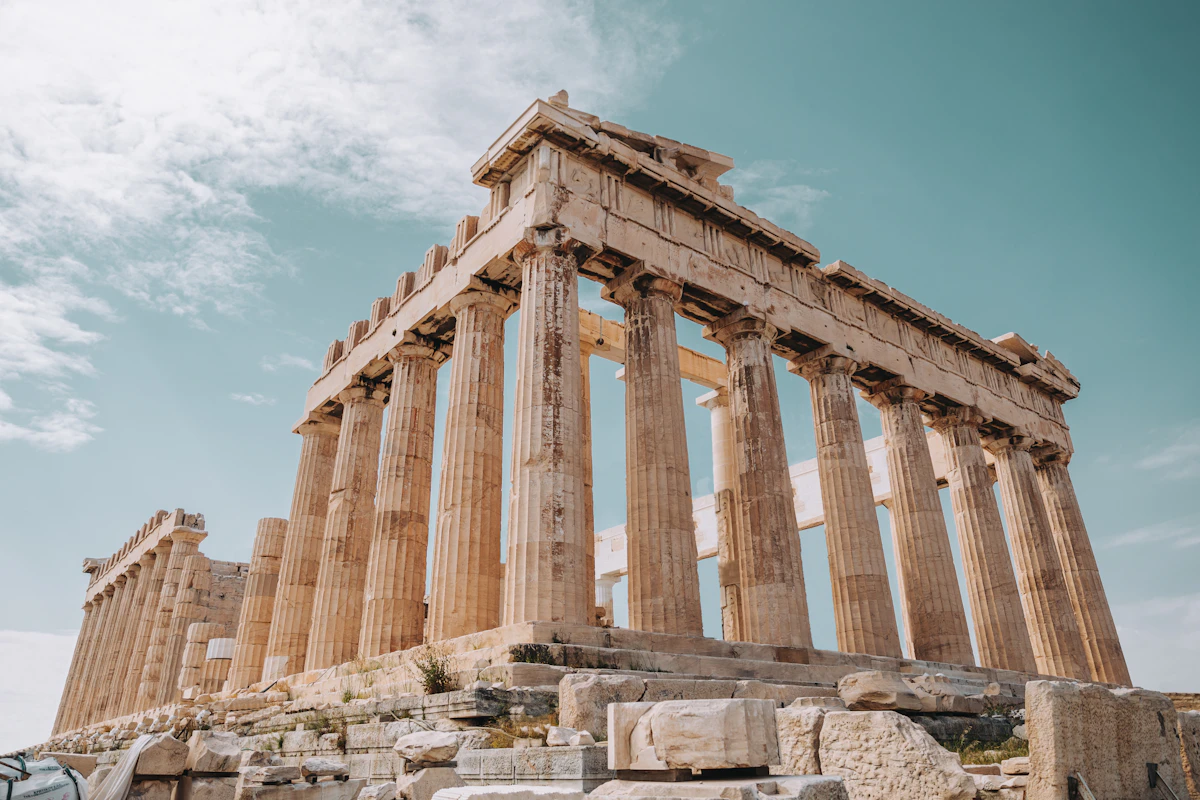
Koukaki sits directly south of the Acropolis, tucked between the archaeological site and the first slopes of Filopappou Hill. It’s close enough to the main sights that you could walk to the Parthenon in 15 minutes, but it reads as a proper residential neighborhood rather than a tourist extension.
This is where you find Athenians living their actual daily lives — queuing at the laiki (street market) on Wednesdays and Saturdays, sitting outside corner cafés with their morning freddo espresso, picking up bread from the same neighborhood bakery their parents used.
The Koukaki Sweet Spot
What makes Koukaki particularly appealing for visitors is that it combines accessibility with authenticity. The streets around Drakou and Veikou are lined with independent coffee shops, natural wine bars, and restaurants that have earned their following through quality rather than location. It’s the kind of neighborhood where you stumble into a genuinely great meal without having planned for it.
The proximity to hidden gems in Plaka also makes Koukaki worth combining into a longer afternoon walk — the two areas connect naturally through the streets below the Acropolis rock.
Pangrati: Old Athens in the Best Possible Way
East of Syntagma and the National Garden, Pangrati is the neighborhood Athenians recommend when friends ask where to eat. It has a settled, confident character — elegant neoclassical apartment buildings, wide pavements shaded by orange trees, and a food scene that’s become one of the best in the city without making a fuss about it.
The heart of the neighborhood is Plateia Varnava, a square that functions as a genuine community gathering point. On weekend evenings, every table at every surrounding taverna fills with multi-generational Athenian families. This is not a scene for Instagram — it’s a scene for eating very well and staying for hours.
Eating and Drinking in Pangrati
The area around Varnava Square has accumulated an impressive collection of restaurants over the past decade. You’ll find everything from traditional psarotavernas (fish restaurants) to creative contemporary Greek cooking, plus a cluster of excellent wine bars that specialize in small Greek producers — Assyrtiko from Santorini, Xinomavro from Naoussa, natural wines from producers most people outside Greece have never heard of.
If you’re spending serious time in Athens, Pangrati deserves at least one dedicated evening. Combine it with a visit to the nearby Panathenaic Stadium — the original Olympic venue built entirely from white marble — and you have a half-day that covers 2,500 years of history and ends with excellent food.
Mets: Quiet Streets and the City’s Best-Kept Secret
Mets is Pangrati’s quieter neighbor, a small residential area that most visitors never find. The streets here are narrow and slightly hilly, lined with early 20th-century buildings that have aged gracefully. It has the quality of a neighborhood where people genuinely know each other.
The area takes its name from a brewery that operated here in the 1800s — Mets comes from a corruption of the German word for mead — and that slightly unlikely history gives the neighborhood a certain character. The First Cemetery of Athens is located here, which sounds like an odd recommendation but is genuinely worth visiting: it’s a remarkable open-air sculpture gallery, with extraordinary marble monuments and funerary art from the 19th century.
The Mets Atmosphere
On a quiet Tuesday morning, Mets feels like a different city entirely from the Acropolis crowds. Small kafeneions with four tables. A family-run pharmacy that’s been in the same location for fifty years. Cats sleeping on warm stone steps.
This is the Athens that regulars return to year after year — not because it offers attractions in the conventional sense, but because it offers a feeling. The teams at Athenian Ascents hear guests talk about this all the time: they came for the Parthenon and fell in love with the streets.
For context on building your time across these neighborhoods, a 3-day Athens itinerary can help you structure the balance between the major sites and the quieter areas — because Athens genuinely rewards doing both.
The tourist trail exists because Athens’ headline attractions are extraordinary. But the city’s real depth lives in neighborhoods like these — in the unplanned coffee, the wrong turn that becomes the best part of the day, the Athens that’s still figuring out what it wants to be.
Compare your Athens stay
View our apartments and check the total price and cancellation terms for your dates.